Choosing a dentist is an important decision because dental care is typically an ongoing relationship rather than a one-time service. The right dental office should make patients feel informed, comfortable, and confident about the care they receive. Looking for both positive signs and potential warning signs can make it easier to choose a provider who fits your needs.
Green Flag: The Staff Communicates Clearly
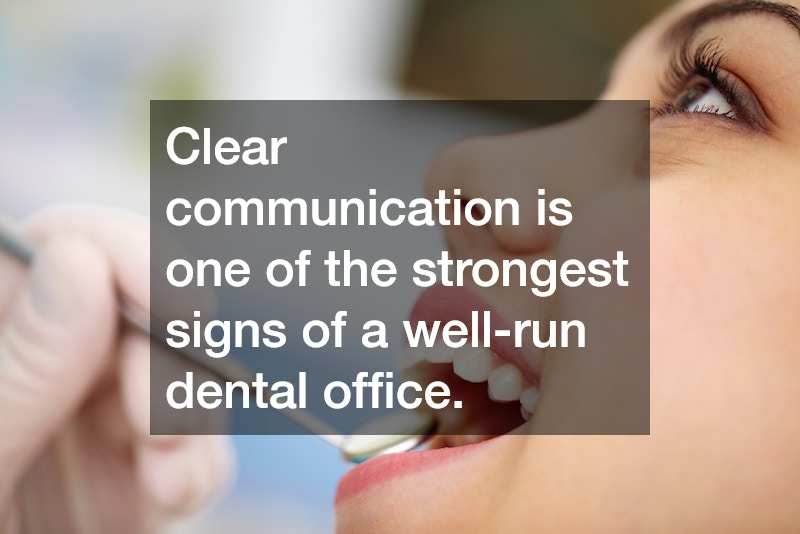
Clear communication is one of the strongest signs of a well-run dental office. Staff members should be able to explain appointment details, treatment recommendations, billing policies, and follow-up instructions in a way that is easy to understand. Patients should feel comfortable asking questions without being rushed or dismissed.
Good communication also means the dentist explains what they are seeing during an examination and why a particular treatment may be recommended. Patients should understand their options rather than feeling pressured into making an immediate decision. A dental office that prioritizes communication can make routine and complex care feel much less stressful.
Red Flag: You Feel Pressured Into Treatment
Dentists may occasionally identify problems that need prompt attention, but patients should still receive clear explanations about what is happening. A major red flag is feeling pressured to agree to expensive or extensive treatment without enough information. Patients should generally understand the diagnosis, proposed procedure, expected benefits, and available alternatives before moving forward.
It can also be concerning when every visit seems to result in a long list of unexpected procedures without a clear explanation. Treatment plans can vary from patient to patient, so recommendations are not automatically suspicious simply because they are extensive. Still, a trustworthy dental office should be willing to answer questions and explain the reasoning behind each recommendation.
Green Flag: The Office Appears Clean and Organized
Cleanliness is especially important in a healthcare environment. Treatment rooms, waiting areas, equipment, and commonly touched surfaces should appear well maintained and organized. Patients should also see signs that the practice takes infection prevention and sterilization procedures seriously.
An organized dental office can also indicate that staff members follow consistent systems for appointments, records, and patient care. While every busy office can occasionally experience delays, persistent confusion may point to broader management problems. A clean and orderly environment can help patients feel more confident about the professionalism of the practice.
Red Flag: Your Concerns Are Repeatedly Dismissed
Patients should feel comfortable discussing pain, sensitivity, anxiety, previous dental experiences, or other concerns. A dentist does not have to agree with every assumption a patient makes, but concerns should still be taken seriously. Repeatedly dismissing symptoms without explanation can leave patients unsure whether they are receiving appropriate attention.
This is particularly important when symptoms are persistent or changing. A good dentist should explain what they believe is causing the issue and whether further testing, monitoring, or treatment is necessary. Patients should consider another dental office if they consistently feel ignored or uncomfortable raising concerns.
Green Flag: The Dentist Explains Treatment Options
There is not always only one possible solution to a dental problem. Depending on the condition, patients may have different treatment options involving cost, durability, appearance, timing, or complexity. A strong dentist should explain reasonable alternatives when they exist.
Patients should also understand what may happen if treatment is delayed or declined. This allows them to make a decision based on complete information rather than fear or pressure. A dental office that encourages informed decision-making demonstrates respect for the patient’s role in their own care.
Red Flag: Pricing and Billing Are Confusing
Dental costs can be complicated, especially when insurance is involved. However, a dental office should still make reasonable efforts to explain estimates, payment expectations, and insurance-related information. Patients should not repeatedly encounter unexplained charges or major differences between what was discussed and what appears on the bill.
Estimates are not always guarantees because insurance coverage and treatment needs can change. Even so, patients should be able to ask questions about charges and receive understandable answers. Consistently vague billing practices can be a warning sign when evaluating a dental office.
Green Flag: The Dentist Focuses on Prevention
Quality dental care is not only about fixing problems after they become severe. Dentists should also help patients understand preventive habits involving brushing, flossing, diet, routine examinations, and professional cleanings. Preventive guidance can help patients reduce their risk of developing more complicated dental problems.
A dentist may also identify early signs of decay, gum problems, grinding, or other concerns before they become more serious. Patients should receive practical recommendations based on their individual needs rather than generic advice alone. A dental office that emphasizes prevention can support better long-term oral health.
Red Flag: The Office Has Consistent Scheduling Problems
Occasional delays happen in nearly every healthcare practice, particularly when emergencies occur. However, repeated scheduling errors, extremely long waits, lost appointments, or frequent last-minute cancellations can become frustrating. These patterns may indicate that the practice is struggling with organization or staffing.
Patients should also pay attention to how the office handles delays when they happen. Staff members who communicate changes and provide realistic expectations can make disruptions easier to manage. A dental office that consistently respects patients’ time is generally easier to work with over the long term.
Green Flag: You Feel Comfortable Asking Questions
Dental procedures can be unfamiliar, and patients should never feel embarrassed for wanting more information. A good dentist should welcome reasonable questions about procedures, materials, recovery, risks, and expected results. The answers should help patients understand their care rather than make them feel rushed.
Comfort is especially important for patients who experience dental anxiety. A supportive dental office may explain procedures beforehand, check in during treatment, and discuss ways to make appointments more manageable. Feeling respected and heard can significantly improve the overall experience.
Red Flag: The Dentist Rarely Reviews Your Medical History
Oral health and overall health can sometimes affect one another, which makes an accurate medical history important. Dentists should know about relevant health conditions, allergies, medications, and changes that could influence treatment decisions. Patients may be asked to update this information periodically.
A practice that never asks about medical history or medication changes may be overlooking useful information. Patients should also volunteer important updates even if staff members do not specifically ask about them. A responsible dental office should treat medical history as an important part of patient care.
Green Flag: The Practice Has a Professional Reputation
Reviews and recommendations can provide useful information when researching dentists. Patients may want to look for patterns involving communication, cleanliness, treatment quality, billing, and staff professionalism. A single negative review should not necessarily determine the decision because experiences can vary considerably.
Personal recommendations from friends, family members, or other healthcare professionals can also be helpful. Patients should still evaluate whether the provider meets their own needs, since different people prioritize different qualities. A dental office with a consistent record of positive experiences may be worth considering.
Choosing the Right Dentist for Your Needs
Finding a dentist requires considering more than location or price alone. Communication, cleanliness, transparency, preventive care, organization, and respect can all influence whether patients feel comfortable continuing with a practice. At the same time, pressure tactics, confusing billing, repeated scheduling problems, and dismissive communication may signal that it is worth exploring other options.
The best dental office should make patients feel like active participants in their care. Patients should understand what is happening, why treatment is being recommended, and what options are available. Paying attention to these red and green flags can make it easier to find a dentist who supports both comfort and long-term oral health.